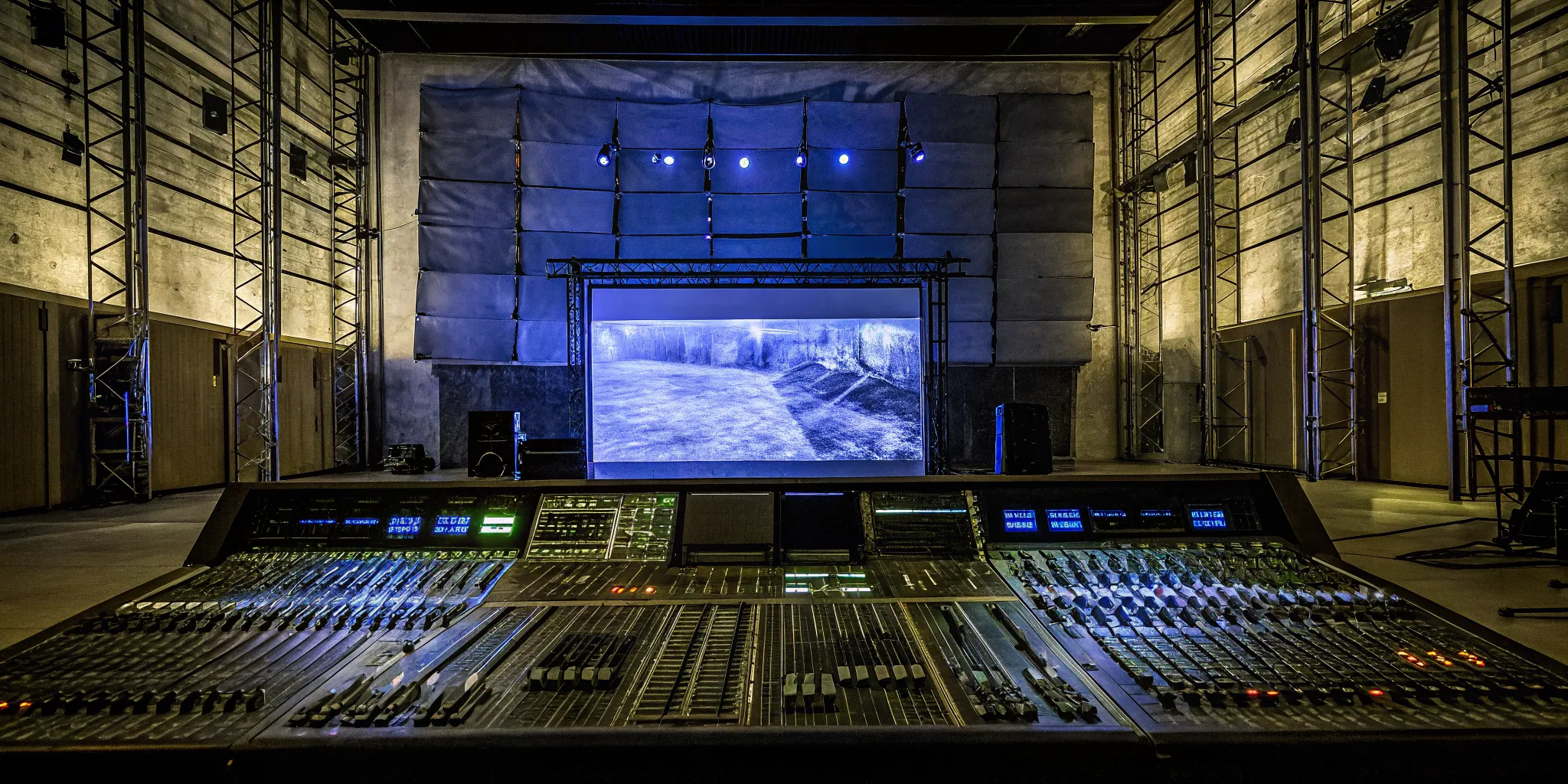
High-quality events do not happen by chance. They are carefully crafted experiences where every detail contributes to the overall impact. Among the many elements that shape a successful event, audio visual design stands out as one of the most influential. It is the backbone that supports communication, engagement, and atmosphere. When executed properly, it transforms a simple gathering into a memorable experience, which is why professional event production services place such a strong emphasis on it.
Creating a Strong First Impression
The moment attendees walk into a venue, audio visual elements begin to shape their perception. Lighting, screen displays, background music, and stage design work together to set the tone. A well-lit stage combined with clear visuals instantly communicates professionalism and purpose. On the other hand, poor lighting or weak sound can create confusion and reduce the perceived quality of the event.
Audio visual design helps establish an emotional connection from the beginning. Whether it is a corporate conference or a product launch, the initial impression plays a key role in capturing attention and setting expectations.
Enhancing Communication and Clarity
At its core, any event is about communication. Speakers need to deliver messages clearly, and audiences need to understand and retain information. Audio visual design ensures that every word is heard and every visual is seen without distraction.
High-quality sound systems eliminate echoes and distortion, while strategically placed screens make presentations visible from all angles. This is particularly important for large-scale events where attendees are spread across a wide area. Professional event production services carefully plan these elements to ensure seamless communication.
Supporting Brand Identity
Audio visual design is also a powerful tool for reinforcing brand identity. Colors, graphics, and visual themes can be aligned with a company’s branding to create a consistent message throughout the event.
For example, LED screens can display brand visuals, while lighting can be customized to match brand colors. Even sound design can reflect a brand’s personality. These subtle details help create a cohesive experience that strengthens brand recognition and leaves a lasting impression on attendees.
Driving Audience Engagement
Modern audiences expect more than just passive participation. They want to feel involved and engaged. Audio visual design plays a major role in making events interactive and dynamic.
From live video feeds to immersive projections and synchronized lighting effects, these elements keep the audience focused and interested. Interactive displays and real-time content sharing further enhance engagement. When done right, audio visual design turns attendees from spectators into participants.
Managing Event Flow and Transitions
A well-produced event feels smooth and effortless, even though it involves many moving parts. Audio visual design helps manage transitions between different segments, such as speaker sessions, videos, and performances.
Music cues, lighting changes, and screen transitions guide the audience through the event without confusion. This makes the program run naturally, which keeps it professional and well-organized. Events can feel disjointed and hard to follow if the music and video aren’t working together properly.
Adapting to Different Event Types
Different types of events require different audio visual approaches. A corporate seminar may focus on clear presentations and minimal distractions, while a live entertainment event may rely heavily on dramatic lighting and powerful sound effects.
Professional teams offering event production services understand how to adapt audio visual design to suit the specific goals of each event. This flexibility ensures that every event delivers the intended experience.
Conclusion
Audio visual design is far more than just technical support. It is a creative and strategic element that shapes how an event is experienced. From enhancing communication to strengthening brand identity and driving engagement, it plays a central role in delivering high-quality events.
When integrated effectively, audio visual design elevates every aspect of an event, ensuring it is not only seen and heard but also remembered. This is why investing in professional planning and execution is essential for anyone looking to create impactful and successful events.