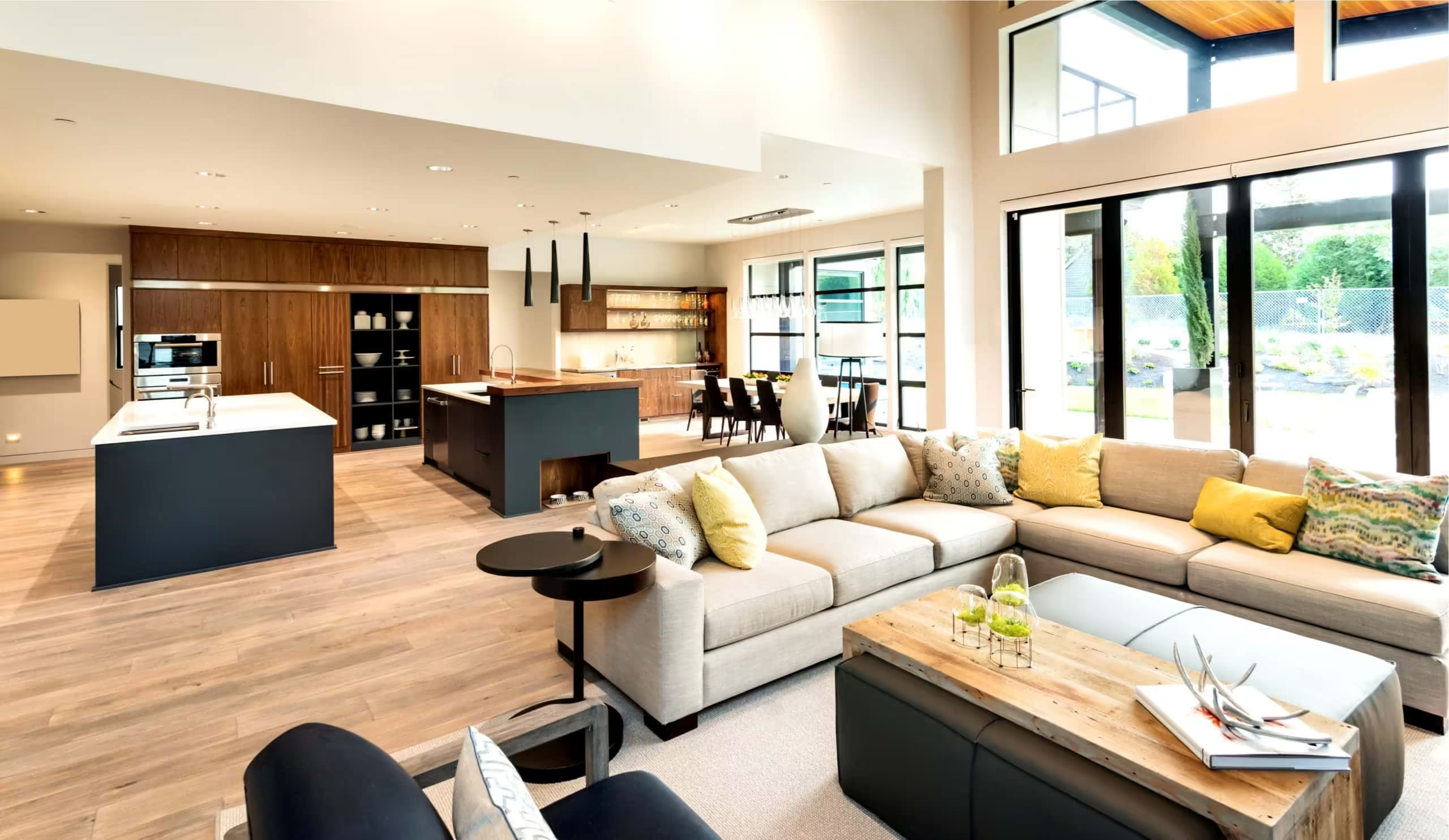
A beautiful home may capture attention at first glance, but a functional home continues to improve everyday life long after the initial impression fades. Modern homeowners increasingly recognize that exceptional home design is not simply about appearance. It is about creating spaces that support daily routines, encourage comfort, and adapt to changing needs.
Everyday functionality has become one of the most important elements of successful home design. From efficient layouts to practical storage and flexible living areas, thoughtful design decisions make homes easier to enjoy and maintain. A well planned home does not require unnecessary complexity. Instead, it provides solutions that quietly improve the way people live every day.
Function Before Decoration
While decorative elements contribute personality and style, functionality creates lasting value. A home that works well supports its occupants without requiring constant adjustments or compromises.
Simple features such as logical room placement, accessible storage, comfortable furniture arrangements, and efficient lighting make daily activities easier. These practical considerations often have a greater impact on quality of life than expensive decorative upgrades.
When homeowners prioritize function during the planning process, the result is a living environment that remains useful for years rather than simply following temporary design trends.
Designing Around Daily Habits
Every household has unique routines. Families prepare meals, work remotely, relax, entertain guests, and spend time together in different ways. Great home design begins by understanding these habits.
Rather than forcing people to adapt to the house, thoughtful design allows the home to support the people living in it. Kitchens that encourage smooth meal preparation, living rooms that promote conversation, and workspaces that reduce distractions all contribute to a better everyday experience.
Homes designed around real life activities naturally become more comfortable and efficient.
Learning From Modern Lifestyle Trends
Lifestyle trends continue to influence home design. People increasingly value flexibility, convenience, and multi purpose spaces that accommodate changing schedules.
Articles featured on an entertainment news blog often showcase celebrity homes with impressive visual appeal. While these homes can provide inspiration, the most successful residential designs balance visual style with everyday practicality rather than focusing solely on luxury.
Homeowners benefit most when they select ideas that improve functionality instead of simply copying popular design trends.
Technology Enhances Everyday Living
Technology has become an important part of modern homes. Smart lighting, automated climate control, security systems, and connected appliances improve convenience while supporting energy efficiency.
Following developments through a digital trends blog allows homeowners to stay informed about emerging technologies that simplify household management. However, technology should enhance everyday living rather than complicate it.
Successful home design integrates useful innovations in ways that remain intuitive and practical for every member of the household.
Flexible Spaces Create Long Term Value
The way people use their homes continues to evolve. Remote work, online education, hobbies, fitness activities, and multigenerational living have changed how space is utilized.
Flexible rooms that serve multiple purposes provide greater long term value than highly specialized spaces. A guest room may become a home office, while a dining area can also function as a collaborative workspace when needed.
Homes designed with adaptability in mind remain functional even as lifestyles change over time.
Staying Informed Without Following Every Trend
Homeowners are constantly exposed to new design ideas through television, social media, magazines, and online publications.
Sources covering australian online news frequently discuss changing housing preferences, sustainability, and construction innovations. While staying informed is valuable, not every trend will suit every household.
The most successful design decisions are based on practical needs rather than temporary popularity. Timeless functionality usually outlasts short lived design fashions.
Practical Design Supports Property Value
Functionality also contributes to long term property value. Buyers often appreciate homes with efficient layouts, sufficient storage, natural lighting, and adaptable living spaces because these features improve everyday usability.
Builders, designers, and developers frequently highlight these strengths when focusing on business promotion Australia, recognizing that practical design features often appeal to a wider range of buyers than purely cosmetic upgrades.
Investing in functional improvements benefits both current enjoyment and future market appeal.
Organization Makes Daily Living Easier
Organization is one of the most overlooked aspects of great home design. A home with well planned storage reduces clutter, simplifies cleaning, and improves daily routines.
Built in cabinets, hidden storage, organized entryways, and efficient closet systems allow homeowners to maintain tidy living spaces with less effort.
Good organization also supports mental well being by creating environments that feel calm, orderly, and welcoming.
Digital Inspiration Should Support Practical Decisions
The internet offers countless design ideas, renovation projects, and decorating inspiration. While this variety is helpful, homeowners should evaluate ideas based on their own needs.
Many professionals share practical design knowledge through a digital marketing platform Australia, helping businesses communicate valuable information to homeowners seeking inspiration. Reliable educational content often encourages thoughtful planning rather than impulsive renovation decisions.
Using digital resources wisely allows homeowners to gather ideas while maintaining focus on long term functionality.
Comfort Is The Ultimate Design Goal
Comfort extends beyond soft furniture or attractive interiors. It reflects how easily a home supports everyday activities without creating unnecessary obstacles.
Well positioned windows improve natural light, thoughtful traffic flow reduces congestion, durable materials simplify maintenance, and flexible layouts accommodate changing family needs.
When these elements work together, homeowners experience greater comfort, convenience, and satisfaction every day.
Conclusion
Everyday functionality defines great home design because it places people at the center of every design decision. Attractive interiors certainly enhance a home’s appearance, but practical layouts, adaptable spaces, thoughtful organization, and efficient systems create lasting value. By designing homes around real life activities instead of temporary trends, homeowners build living environments that remain comfortable, flexible, and enjoyable for many years. The best homes are not necessarily the largest or most expensive. They are the ones that quietly support everyday life while making ordinary moments easier, more efficient, and more rewarding.