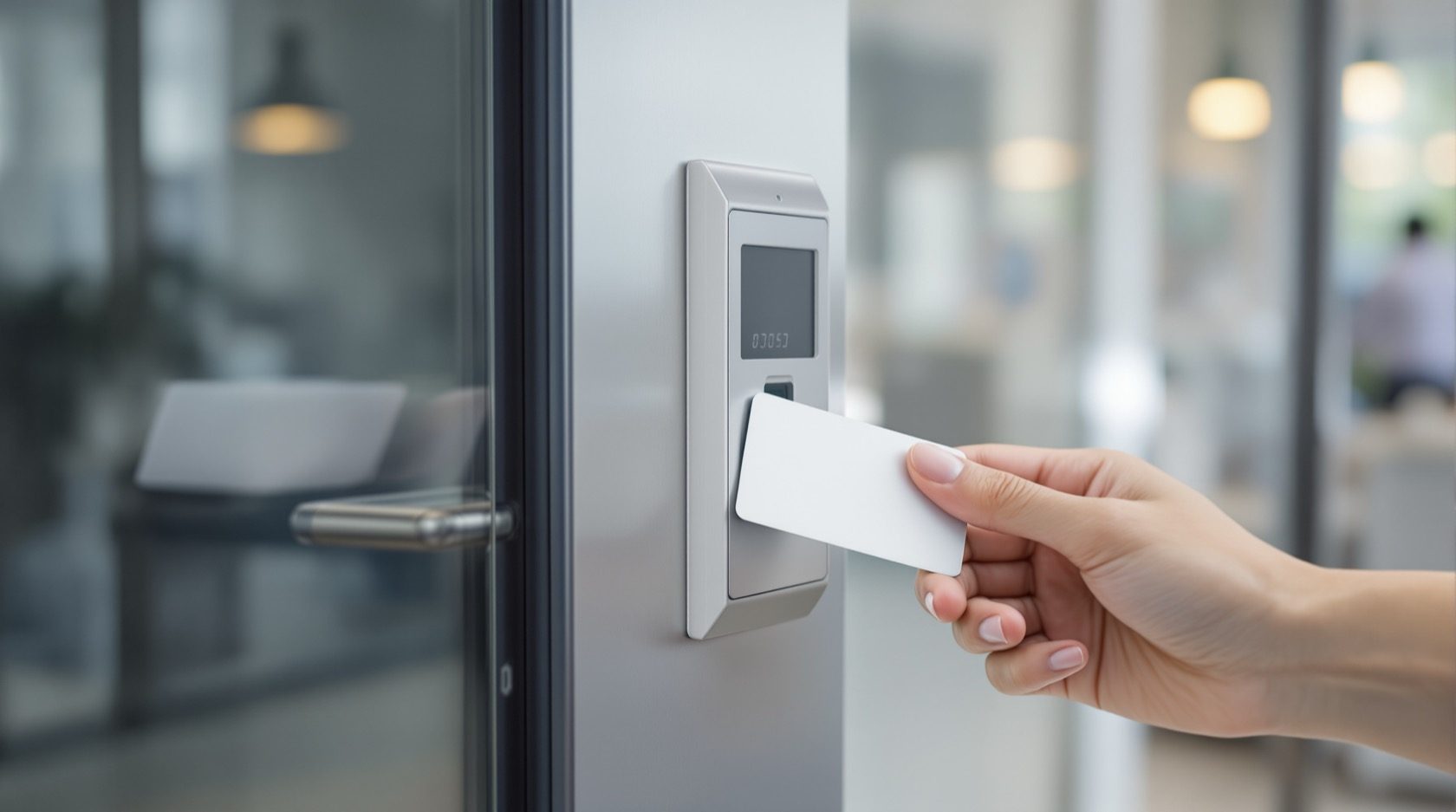
As companies grow, oversee many locations, and provide access to workers, contractors, and guests, security management has become more complicated. Conventional mechanical locks provide rudimentary security, but they don’t show who may enter restricted locations or when. By adding programmable permissions, activity logs, and centralized access control features, electronic locking systems overcome these constraints.
Organizations may keep easy access to protected places while establishing more responsibility with the use of contemporary systems like CyberLock electronic access control. Facility managers may improve security protocols, look into suspicious activities, and keep greater control over valuable assets by knowing how audit trails and access permissions operate.
Comprehending Electronic Locking System Audit Trails
A documented history of access actions connected to an electronic locking system is called an audit trail. These records may include timestamps, interactions with particular locks, credential identification, and access attempts, depending on the system.
Electronic systems may provide comprehensive activity records, in contrast to conventional locks, which often don’t offer any information regarding prior usage. To comprehend access patterns and spot any anomalies, security managers might examine these logs.
For instance, an unforeseen attempt to gain access outside of regular business hours could require further investigation. Administrators may ascertain which credential was used and if the activity complied with established security protocols using audit logs.
By providing recorded information on access to critical equipment, storage spaces, and operating facilities, these records also aid internal assessments.
The Function Of Access Permissions In Security Management
The people who can unlock certain doors, cabinets, gates, or guarded equipment are determined by access rights. Administrators may issue permits based on work duties, operational needs, and security categories thanks to electronic locking technology.
An administrative staff member may only need access to certain office spaces, whereas a maintenance specialist could need access to electrical cabinets. Reducing needless exposure to restricted areas is achieved by allocating permits based on individual responsibilities.
Contractors, service providers, and visiting employees may all be granted temporary rights by organizations. These credentials may be valid only during authorized working times.
This strategy upholds the least privilege principle by guaranteeing that people only have the access required to do the tasks they have been given.
Using Electronic Access Records To Increase Accountability
When many workers share responsibility for guarded facilities, accountability becomes more crucial. Determining who accessed a restricted place might be challenging in the absence of trustworthy access logs.
By linking approved electronic credentials to access activities, systems like CyberLock electronic access control may promote accountability. Administrators may examine recorded events and determine whose credentials were used at certain sites, depending on how the system is configured.
This visibility may deter workers from disclosing credentials without authorization and motivate them to adhere to security protocols.
When sensitive operational assets, specialized equipment, or precious goods need to be protected, audit trails are particularly helpful. Organizations should be aware, nevertheless, that credential records do not definitively prove the identity of the user; rather, they indicate credential activity.
Controlling Access In Various Facilities
Businesses that run transportation facilities, warehouses, utility installations, or dispersed service sites often deal with extra security issues. Keeping track of traditional keys across several locations may lead to administrative challenges and worsen the effects of lost credentials.
By enabling authorized administrators to control rights across many protected assets, electronic locking solutions provide a more organized method.
When contractors finish tasks or employees take on new duties, access schedules might be modified. Credential synchronization or contact with management software may be necessary for authorization changes, depending on the system.
Without relying solely on manual key distribution, centralized monitoring also assists businesses in maintaining uniform access controls across geographically dispersed sites.
Assisting With Compliance Reviews And Security Investigations
When investigating lost equipment, damaged property, or suspected unlawful entry, access logs may provide helpful supporting evidence. To get a better understanding of occurrences, security staff might compare electronic activity logs with maintenance schedules, visitor records, and other operational data.
Additionally, audit trails may help firms show that access controls are put in place and kept under review. However, regulatory compliance is not ensured by electronic records alone. Appropriate preservation guidelines, restricted administrative access, precise timestamps, and defense against unauthorized alteration are all necessary for efficient record administration.
When gathering and analyzing access data, organizations should also take employee privacy into account.
Conclusion
Programmable access permits and audit trails are now crucial elements of contemporary physical security management. They assist administrators in setting suitable limitations for workers and contractors while giving businesses more insight into access activities.
Businesses may enhance accountability and more successfully safeguard limited facilities by integrating electronic locking technology with uniform security standards, frequent permit assessments, and appropriate record-keeping.