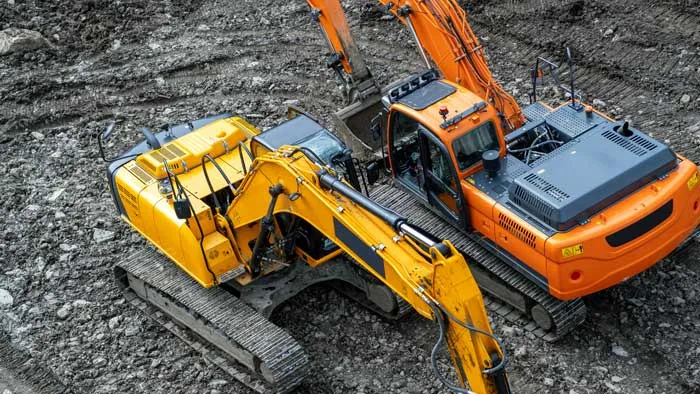
Heavy equipment plays a vital role in industries like construction, mining, and agriculture, where productivity and efficiency are critical. These machines are expected to operate under intense conditions, making their upkeep essential. At the core of their optimal performance are the heavy equipment parts that ensure smooth operations. High-quality, well-maintained parts are crucial not only for minimizing downtime but also for maximizing output.
The Connection Between Equipment Parts And Downtime
Downtime in heavy equipment operations can lead to significant financial losses. Whether it’s due to an unexpected failure or routine maintenance, any halt in operations disrupts schedules and impacts productivity. The root cause of most downtime issues often traces back to worn-out or faulty equipment parts.
When a key part malfunctions, the entire machine may be rendered unusable. For instance, a damaged hydraulic pump in an excavator or a faulty transmission in a loader can bring work to a standstill. Identifying these issues early and replacing the parts promptly can prevent prolonged disruptions. In this context, the reliability and durability of parts play a critical role in reducing downtime.
Enhancing Efficiency Through Quality Parts
Heavy equipment functions efficiently only when all its components work harmoniously. Using high-quality parts ensures that machines operate at peak performance, allowing operators to complete tasks more quickly and accurately. For example, well-maintained engine components lead to better fuel efficiency and power delivery, reducing overall operational costs.
Moreover, high-quality parts reduce the frequency of breakdowns, which can often be attributed to substandard replacements or mismatched components. By investing in robust and compatible parts, companies can achieve better equipment reliability, directly translating to improved productivity.
The Cost Of Neglecting Equipment Parts
Cutting corners on the quality of parts can lead to cascading issues. While cheaper components might save money in the short term, they often fail sooner, resulting in more frequent repairs and replacements. This not only increases operational costs but also exacerbates downtime.
For example, opting for low-quality filters in a heavy-duty engine may allow contaminants to enter, leading to extensive damage over time. The cost of repairing or replacing the entire engine far outweighs the savings made on inferior filters. Therefore, prioritizing high-quality parts and adhering to recommended maintenance schedules is a cost-effective approach.
Preventative Maintenance And Parts Management
Proactive maintenance is necessary to minimize downtime and guarantee equipment lifespan. Preventative maintenance involves regularly inspecting and servicing equipment parts to detect potential issues before they escalate. This strategy reduces the possibility of unplanned malfunctions, which are frequently the most costly and disruptive kinds of downtime.
Effective inventory control is also essential. Maintaining a stock of critical parts reduces the time spent waiting for replacements during repairs. Partnering with reliable suppliers can ensure the availability of genuine parts, further streamlining the process.
Innovations In Heavy Equipment Parts
The heavy equipment industry is witnessing advancements in the design and manufacturing of parts, driven by a need for greater efficiency and sustainability. For instance, modern parts are often made from high-strength, lightweight materials that enhance performance while reducing wear and tear.
Technology is also transforming the way parts interact within machinery. Sensors embedded in critical components can monitor their condition in real-time, alerting operators to potential issues before they lead to failure. These innovations not only extend the lifespan of parts but also contribute to smarter maintenance strategies, further minimizing downtime.
The Role Of OEM And Aftermarket Parts
Businesses must decide between Original Equipment Manufacturer (OEM) parts and aftermarket substitutes when replacing equipment parts. OEM parts are designed specifically for a machine’s make and model, ensuring perfect fit and performance. While they tend to be more expensive, their reliability often justifies the cost, especially for critical components.
Conversely, aftermarket parts are usually more reasonably priced and provide a greater selection. However, their quality can vary significantly, making it essential to source them from reputable manufacturers. A balanced approach—using OEM parts for vital systems and high-quality aftermarket parts for less critical components—can optimize costs without compromising performance.
Conclusion
Heavy equipment parts are the backbone of machine reliability and productivity. Their quality and maintenance directly influence downtime and output, making them a critical consideration for businesses that rely on these machines. By prioritizing durable, well-manufactured parts and implementing effective maintenance practices, companies can reduce operational interruptions, enhance efficiency, and ultimately achieve greater profitability.