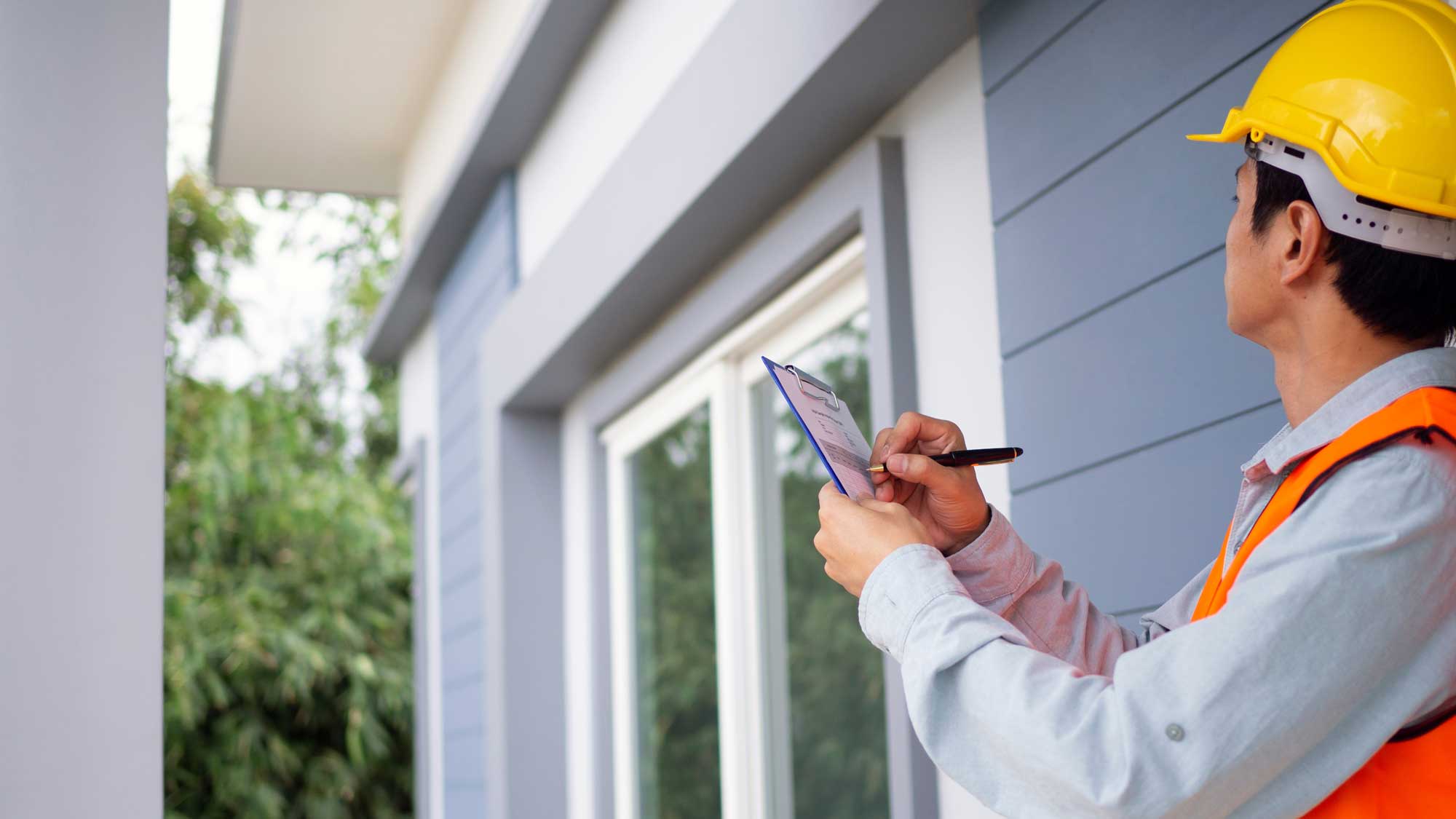
Inspection is one of the most important steps in buying or selling a home, and it is important to make sure it is safe and sound. Some problems can be seen with the naked eye, but there may be many more important ones below the surface. If you don’t fix these secret problems, they can cost a lot of money and even put people’s health and safety at risk. A full home inspection goes beyond the basics and looks at things that aren’t normally looked at but are necessary to fully understand the state of the property.
The Role of a Comprehensive Home Inspection
A comprehensive home inspection Raleigh NC aims to identify potential issues beyond just cosmetic flaws. Professional inspectors examine everything from the home’s structural integrity to its systems and components, such as plumbing, electrical, and HVAC. They have special tools and methods they use to find problems that aren’t clear at first glance. By addressing these issues upfront, homeowners can avoid surprises, make informed decisions, and negotiate repairs or price adjustments with confidence.
Here are some commonly overlooked areas that a thorough inspection should cover:
1. Foundation and Structural Integrity
One of the most significant concerns for any property is the condition of its foundation. When there are problems with the foundation, the structure can be severely damaged. Walls can crack, floors can slope, and doors and windows can stick. Inspectors often check for signs of foundation issues, such as uneven floors, visible cracks in walls, or gaps around doors and windows. However, beyond these visible signs, a comprehensive inspection may involve using infrared technology to detect moisture in foundation walls or shifts in the soil beneath the foundation that could cause future issues.
Why It Matters:
A compromised foundation can be incredibly expensive to repair and may affect the entire structure of the home. Early detection can save significant costs and prevent the need for extensive repairs down the line.
2. Roof Condition and Hidden Leaks
A quick glance at the roof might reveal missing shingles or minor wear and tear, but a thorough inspection goes deeper. Inspectors should assess the quality of flashing, examine areas around chimneys, vents, and skylights, and inspect the attic for signs of water intrusion. Mold growth, wood rot, and damaged insulation can all be caused by hidden roof leaks. All of these things can affect the quality of the air inside and how much energy is used.
Why It Matters:
Roof repairs or replacement are costly, and unnoticed leaks can result in moisture-related issues throughout the home. A detailed inspection helps pinpoint potential vulnerabilities in the roofing system and prevent further damage.
3. Plumbing and Sewer Lines
While leaky faucets and exposed pipes might be easy to detect, plumbing issues can extend far beyond what’s visible under the sink. As part of a full inspection, pipes are often checked for corrosion, water pressure is checked, and video inspection tools are used to look at the state of sewer lines. Blockages or tree roots in sewer lines can lead to backups, resulting in unsanitary conditions and expensive repair bills.
Why It Matters:
Drainage issues that aren’t fixed can lead to water damage, mold growth, and even issues with the building itself if leaks enter the walls or floors. A thorough check of the plumbing system makes sure that any problems that are secret are fixed before they get worse.
4. Electrical System and Outlets
Older homes may have outdated wiring or circuit panels that don’t meet modern standards. A comprehensive home inspection includes examining the electrical panel, checking for any exposed or frayed wires, testing outlets, and ensuring that all electrical components are up to code. Inspectors also look for any signs of faulty wiring that may pose a fire hazard, especially in older homes.
Why It Matters:
Most house fires are caused by problems with the electricity. A thorough inspection ensures that the electrical system is safe, meets current standards, and can handle the power demands of today’s appliances and devices.
5. HVAC Systems and Indoor Air Quality
To keep the air clean and comfy in a home, the HVAC (heating, ventilation, and air conditioning) system is very important. While it’s easy to check whether the system is working, a comprehensive inspection will delve into the condition of ductwork, look for signs of mold or dust buildup, and examine ventilation throughout the home. Some inspectors may use tools to measure indoor air quality and detect radon or carbon monoxide levels, both of which can pose significant health risks if not managed properly.
Why It Matters:
Hidden problems with the HVAC system can cause energy costs to rise, comfort to decline, and health risks from bad air quality inside the home. By doing regular inspections and upkeep, you can avoid breakdowns that cost a lot to fix.
The Bottom Line: Investing in a Quality Inspection
A thorough home inspection is important for both buyers and sellers to make sure they are getting a good deal and living in a safe place. A detailed inspection goes beyond the basics and gives a fuller picture of the property’s condition. This helps buyers make better choices and gives sellers a chance to fix problems that could affect the sale. A full inspection might cost more at first, but it’s well worth the money because it could save you money on repair bills and give you peace of mind.